

IPX7 or IP66: Understanding IP Ratings
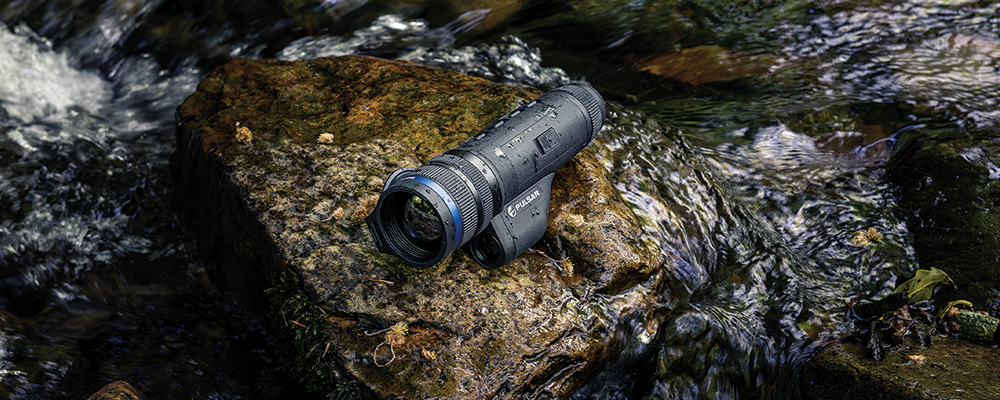
We know that, when it comes to investing in a thermal imaging device, durability matters just as much as image quality and technical performance, which is why you’ll often see two numbers associated with Pulsar devices — IPX7 and IP66. But what do these numbers mean, and why do they matter when selecting a device to buy? While they may look like any other technical data, these numbers actually signify a great deal about how well your device will perform in adverse conditions.
Understanding these ratings before you buy can help you select a device that is best suited for the environment(s) you intend to use them in — whether you’re heading out into heavy rain, dusty conditions, or environments with high levels of humidity.
What is an IP Rating?
Firstly, lets break down what the IP ratings actually mean. IP stands for Ingress Protection — a standardised system defined by the International Electrotechnical Commission (IEC) — and they indicate how well a device is protected against solid particles (such as dust) and liquids (such as water). A device’s IP rating normally consists of two digits (i.e. IP66):
- The first digit refers to protection against solids, including dust, dirt, and debris.
- The second digit refers to protection against liquids.
If your device is rated IPX7, the “X” in this number indicates that the device has not been formally rated against for solid particles; rather, the manufacturer has focused on the highest level of water ingress protection.
What Does IPX7 Mean?
If a device is rated IPX7, this means that it can be immersed in up to 1 m of water for up to 30 minutes, without taking any damage.
For users of Pulsar digital devices, this is advantageous, as outdoor environments can be unpredictable, and exposure to water is almost inevitable, especially in the UK.
In real terms, a device with an IPX7 rating can be used with confidence in the following scenarios:
- Heavy rain or downpours.
- Wet and muddy terrain.
- Accidental drops into puddles and shallow water (within the specified time limitations).
What Does IP66 Mean?
If your device is rated IP66, this means the device is resistant to powerful water jets from all directions and completely protected against dust ingress (with the number 6 indicating the highest level of dust protection).
it is protected against harsher conditions, where dust and water exposure are a real concern. With an IP66 rating, your Pulsar device is protected against:
- Dusty conditions, including dry fields, construction sites, and dry rural terrain.
- Wind-blown sand or debris.
- Heavy rain and spray.
For professionals such as wildlife observers, security personnel, search & rescue team, etc., the IP66 protection rating means your device will operate reliably in whatever mother nature can throw at you whilst you work.
However, unlike IPX7, devices with an IP66 rating are not protected against immersion in water Instead, the focus is on protecting your device against exposure to dust and forceful water. So, although it is protected against rain, it may not survive a dip in a puddle.
Why Should You Pay Attention to These IP Ratings?
As many users of thermal imaging use their devices in ever-changing, challenging weather/environmental conditions, paying attention to the IP rating of your device is important if you want kit that operates confidently and without compromise.
IP ratings are particularly important for Pulsar products because:
- They ensure reliability in the field. You don’t want a device that fails in dusty or rainy conditions. IPX7 and IP66 ratings ensure Pulsar devices maintain the level of operational integrity they have come to be known for, regardless of challenging environments.
- They protect the longevity of your investment. Understanding the IP rating of your device and what conditions they can withstand allows you to keep the device working for longer and extend it operational lifespan.
- They allow you to observe with confidence in harsh conditions: Whether you’re caught in a downpour or you’re working in dry and rugged terrain, understanding the IP rating provides peace of mind, allowing you to continue your observations with confidence.
Which IP Rating Should You Choose?
This is a tough one, as, when comparing IPX7 and IP66 ratings, it’s important to understand that neither is necessarily “better” than the other; rather, they each serve different purposes.
To break it down:
- If your main concern is that you might accidentally drop your device into water, choose a device with an IPX7 rating — the 7 indicates that the device is protected against immersion in water up to 1 m deep for up to 30 minutes. Devices with this rating are also protected against heavy rain and snow.
- If you work in dusty environments, or if you work outside in heavy rain or in areas with water spray, choose a device with an IP66 rating — they offer maximum protection against dust, sand, and grit at the sacrifice of protecting the device from immersion in water.
Observe with Confidence
So, there we have it: IPX7 and IP66 ratings are more than just technical specifications; they’re clear indicators of how your device will perform in varying conditions. By understanding what they mean, these IP ratings allow you to choose the device that is best suited to your applications.

